



OK, so Leak fans will argue there was a form of thermal cut-out in the original Stereo 20 in the shape of a sacrificial resistor. Personally, I prefer a more modern approach to one that requires a soldering iron. There is also a digital display close to the power socket to tell you how many hours you’ve racked up on a given set of tubes. This is handy because the amp can do with a few dozen hours of new-tube shakedown before it gets into its stride. Moreover, given the quality of the sound the Stereo 21c produces, it might be good to know just how long you’ve been listening and when it’s time to get more Tung-Sol tubes.
Bringing the best of the 1960s into the 21st century needs some addressing. First, there was an operational ‘quirk’ to the Stereo 20 that is echoed here; the phono connectors are on what might seem like the front right of the amplifier and the logo runs along the right-hand side, meaning the amp is designed to sit at 90° to most designs. More importantly, while a 14W stereo amplifier will meet (and exceed) many listener’s demands, loudspeakers with more challenging sensitivity and impedance figures will result in a smaller, quieter or even thinner sound (of the line-up of small loudspeakers I regularly use, the 21c fared well with the KEF LS50 Meta, was fine (but no roof-raiser) with the Audiovector R1 Arreté and didn’t like the upper-bass impedance dip of the Wilson Audio Duette Series 2 at all.

In truth, how the Stereo 21c sounds is how everyone might expect a Stereo 20 to sound, except with a few minor improvements to frequency extension at both ends. This is no bad thing; the Stereo 20 was one of the sweetest sounding, most inviting amplifiers of its time, with very good bass and a slightly congested high treble. That midrange was beautifully enticing, natural, and projected perfectly into the room with an articulate and ‘bouncy’ presentation. And the Stereo 21c does nothing to change the shape of that midrange, instead just making the bass a little bigger and more ordered, and the treble a tad (an Imperial measurement) less uneven and more extended. In short, it’s a Stereo 20 that sounds a bit better and a bit more ‘now’. Who’d have guessed it?
English Acoustics’ Stereo 21c retains much of the original’s musical warmth, grace and finesse. It almost invites you to play vocals through it, just to showcase that ‘just the right side of lush’ presentation that grabs you firmly by the feels. My first draft of this review just kept saying ‘beautiful’ time after time, but there’s a good reason for that; that sound just draws you in and makes everything you play sound, er, beautifully beautiful with an added side order of beautiful.
Trending Articles
See all
By Alan Sircom
More articles from this author


Read Next From Review
See all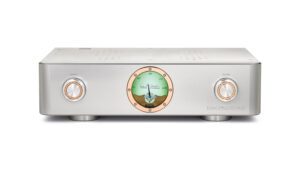
D’Agostino Audio Pendulum
- Jul 14, 2026

Meze Audio 105 AER
- Jul 14, 2026
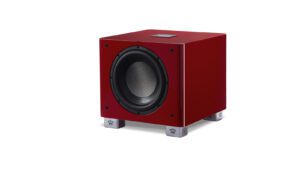
REL T/9x SE
- Jul 14, 2026
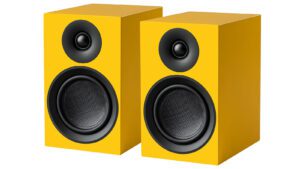
Pro-Ject Speaker Box 5 E Carbon
- Jul 14, 2026